Introduction
how-long-does-it-take-to-fix-dental-crowding-with-bracesWhen patients come to our clinic in Gangnam and ask about braces, one of the first questions is always: “How long will it take to fix my crowded teeth?” It’s an honest concern. Crowding doesn’t just affect appearance; it impacts chewing, jaw balance, and even long-term tooth health. But the answer isn’t as simple as quoting a number of months — it depends on the individual’s mouth, the treatment approach, and the philosophy of the dentist guiding the process.
At OnO Dental Clinic, we believe the right question is not only “how long” but also “how safely and harmoniously can this be done without unnecessary damage?”
What Causes Dental Crowding?
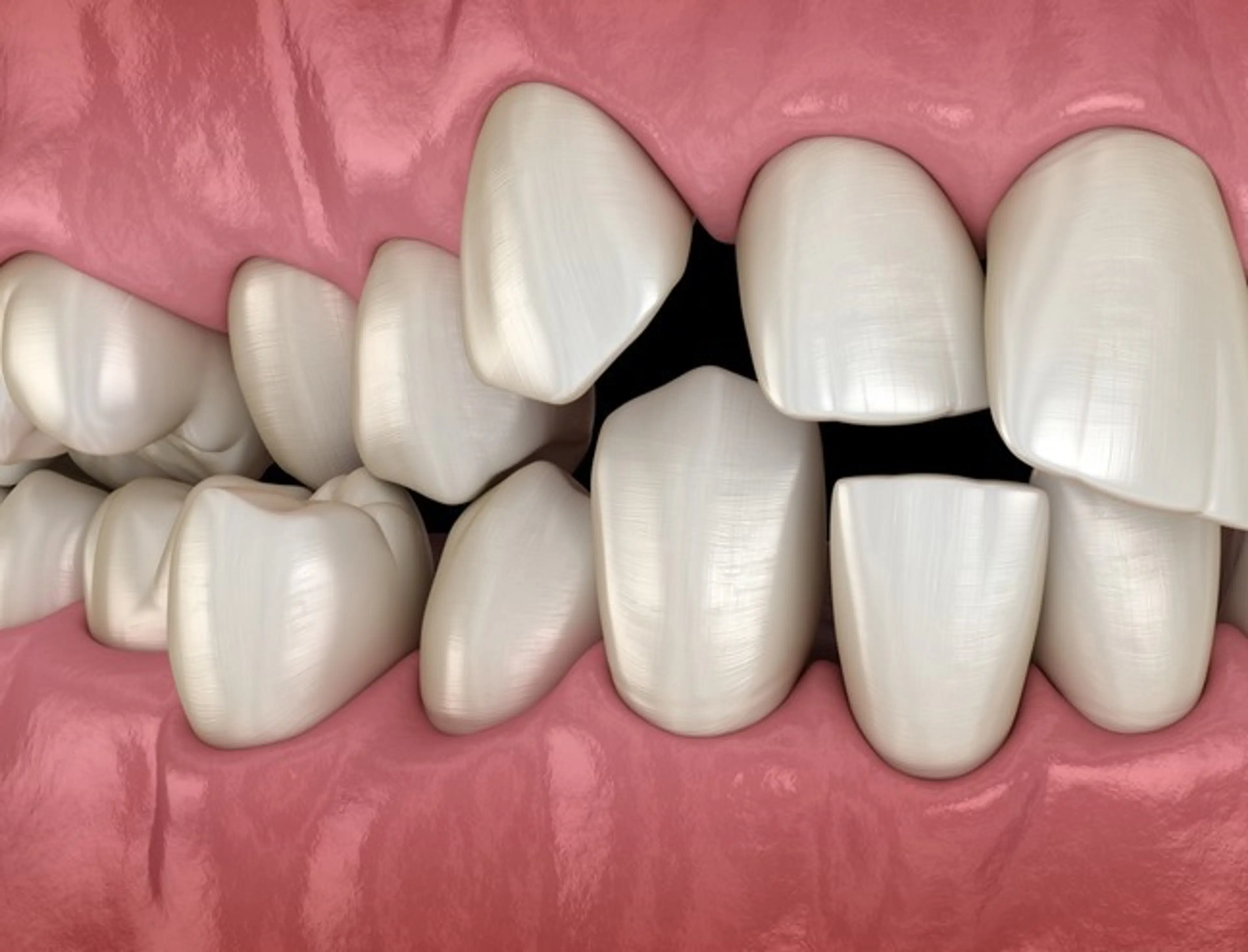
what-causes-dental-crowdingDental crowding occurs when teeth don’t have enough space to align properly. This is one of the most common orthodontic concerns worldwide, and in Korea, many patients seek treatment not only for cosmetic reasons but also for functional and long-term health.
Some common causes include:
Jaw size and shape: A smaller arch or narrower jaw may not provide enough room for teeth to align.
Tooth-to-jaw proportion: Larger teeth in a relatively small jaw can lead to overlapping.
Early childhood habits: Thumb sucking, prolonged pacifier use, or tongue thrusting can alter jaw growth.
Loss or retention of baby teeth: If baby teeth fall out too early or stay too long, permanent teeth may erupt improperly.
Previous extractions or shifting: Losing a tooth without timely replacement can cause surrounding teeth to drift and crowd.
What many patients don’t realize is that crowding isn’t just a cosmetic problem. Misaligned teeth can strain the jaw joint (TMJ), make oral hygiene more difficult (leading to gum inflammation or cavities), and even change the proportions of the face.
For example, crowded lower front teeth may seem like a “small issue,” but they can force the bite into an unbalanced position, stressing the jaw joint like a door hinge that doesn’t close smoothly. Over time, this can contribute to TMJ discomfort, headaches, or uneven tooth wear.
Typical Treatment Time for Crowding with Braces
typical-treatment-time-for-crowding-with-braces
So, how long does it take? In general:
Mild crowding: about 6–12 months
Moderate crowding: about 12–24 months
Severe crowding: about 24–30 months or longer
But these are averages, not promises. Orthodontics is not like setting a timer on a machine. Each mouth responds differently depending on biology, age, and the treatment philosophy guiding care.
Let’s break down the major factors:
Severity of the crowding: A rotated tooth may take weeks to straighten, while overlapping arches can take years to harmonize.
Patient age: Children and teens often respond faster since their bone is still flexible. Adults can achieve excellent results, but movement is typically slower.
Orthodontic method: Traditional metal braces may move teeth more efficiently in complex cases, while ceramic braces or clear aligners may take slightly longer depending on compliance.
Bite and jaw relationship: If the bite itself is misaligned (not just the teeth), treatment must address both, which adds time.
Philosophy of care: Some clinics prefer extraction to “make space,” which may shorten treatment. At OnO Dental Clinic, we emphasize non-extraction methods whenever possible to preserve harmony and long-term stability, even if it means slightly longer treatment.
Why Non-Extraction Orthodontics May Take a Little Longer — and Why That’s Often Better
why-non-extraction-orthodontics-may-take-a-little-longer-and-why-that's-often-betterMany patients come to us after being told they must have four teeth pulled to correct crowding. While extraction can create space quickly, it is not always the safest or most natural choice.
Here’s why:
Facial harmony: Removing teeth can sometimes flatten the smile or reduce lip support, leading to subtle but permanent changes in facial appearance.
Jaw joint health: Extractions can alter the bite in ways that increase stress on the TMJ over time.
Long-term stability: Teeth moved into extraction spaces may be more prone to relapse without ongoing retention.
Dr. Se Hong Oh has spent more than three decades treating orthodontic patients with a philosophy of preservation over removal. Using 3D CT imaging, precise arch analysis, and minimally invasive expansion techniques, we often guide the natural jaw structure to accommodate the teeth rather than removing healthy ones.
This approach may require more patience. Instead of forcing teeth into smaller space, we encourage the bone and soft tissue to adapt gradually, like widening a railway track to fit the train rather than cutting the train shorter. The result is not only straighter teeth but also a healthier bite, balanced facial profile, and stable outcome that lasts decades.
How Patient Habits Influence Treatment Time
how-patient-habits-influence-treatment-timeEven with the most advanced orthodontic plan, the patient plays a crucial role in how long treatment takes.
Wearing elastics: Elastics are often essential for bite correction. Skipping them, even occasionally, can extend treatment by months.
Oral hygiene: Braces make cleaning harder, but neglecting brushing can lead to cavities or gum swelling that interrupt progress.
Diet choices: Hard or sticky foods can break brackets or wires, requiring extra visits and delays.
Consistency of visits: Orthodontic adjustments are most effective on schedule; missed appointments can prolong treatment.
At OnO Dental Clinic, we remind patients that orthodontics is teamwork. Braces are not magic — they are tools. The dentist provides the roadmap, but patient cooperation drives the journey.
The Bigger Picture: Beyond Straight Teeth
the-bigger-picture:-beyond-straight-teeth
It’s natural to focus on the cosmetic aspect of braces — the before-and-after smile photos. But correcting crowding is about much more than appearance.
Better function: Properly aligned teeth protect the jaw joint and ensure efficient chewing.
Easier cleaning: Straight teeth allow floss and brushing to reach every surface, lowering the risk of gum disease.
Reduced wear: Misaligned bites can cause certain teeth to wear down prematurely, sometimes leading to cracks or sensitivity.
Confidence and well-being: Many patients report improved confidence at work, in social settings, and even in speech after orthodontic treatment.
In our clinic, we often see patients who initially wanted braces “just to look better” but later tell us they also sleep better, chew more comfortably, and feel healthier overall.
Adult Orthodontics and Crowding: Is It Too Late?
adult-orthodontics-and-crowding:-is-it-too-lateA common misconception is that orthodontics only works for teenagers. In reality, adults make up a growing percentage of orthodontic patients in Korea and worldwide.
While adult bone is less adaptable than a teenager’s, today’s techniques — especially with 3D diagnostics and minimally invasive approaches — make it possible to correct even severe crowding safely. The trade-off is often slightly longer treatment time, but the results can be life-changing.
For adults, orthodontic treatment can also be combined with restorative dentistry. For example, if teeth are worn, chipped, or missing, we can design a plan that aligns teeth first and then restores them with crowns, implants, or bonding for a complete functional and aesthetic result.
Retention: The Hidden Key to Long-Term Results
retention:-the-hidden-key-to-long-term-resultsOne of the most overlooked aspects of orthodontics is retention. After braces are removed, teeth have a natural tendency to drift back toward their crowded position.
To prevent this, we use customized retainers and follow-up protocols. Retention is not a “bonus” step — it is part of the treatment itself. Without it, even years of orthodontic work can be undone.
At OnO Dental Clinic, we educate every patient about retention before treatment even begins, so there are no surprises later.
So, How Long Will Your Case Take?
so-how-long-will-your-case-takeEvery smile is unique. Some patients see dramatic changes in a matter of months; others require more gradual adjustments. What matters is not just the calendar but the quality and stability of the result.
If you’ve been told your case requires extractions or that it will take years to correct, it’s worth seeking a second opinion. A precision-driven clinic, one that values tooth preservation and facial balance, may offer a safer and more natural pathway.
👉 If you’re concerned about dental crowding, or if you’ve been told your only option is extraction, consider visiting OnO Dental Clinic in Gangnam for a precise evaluation. With over 10,000 patients treated and more than 31 years of expertise, Dr. Se Hong Oh and our team can guide you toward a healthier, more confident smile — at the right pace, and without unnecessary sacrifice.